What is the difference between a wet screed and a dry screed?
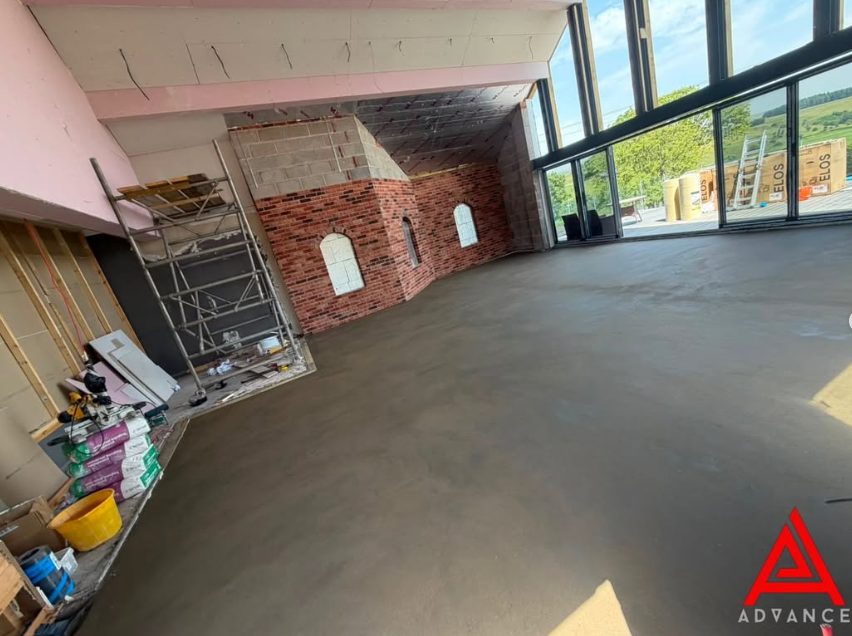
A wet screed is mixed with water and laid or pumped as a fluid, then left to cure and dry before anything goes on it. A dry screed is a boarded system, gypsum fibre or similar, laid over a levelling layer and screwed or bonded together, with no water and effectively no drying time. Wet screeds suit new build and anywhere depth is available. Dry screeds suit refurbishment, tight programmes and floors that cannot take the weight or the moisture.
Do you work nationwide or only around Bolton?
Nationwide. Bolton is the base and the North West is the daily patch, but a large part of the work is planned programmes further afield, and the travel is priced into the quote before you accept it rather than added on afterwards.
Can you do the whole floor or only the screed?
Either. Plenty of customers want the screed and nothing else, and that is fine. Where it is worth handing the lot over is when the sub-base, insulation, heating, screed and covering all interact, because that is where jobs get delayed while two firms argue about levels.
How flat will the finished screed be?
Flat enough for the covering that is going on it, which is the only measure that matters. Tell us at the quote stage whether it is taking tile, LVT, resin or carpet, because a floor that is fine under carpet will show every trowel mark under a thin vinyl.
Do you do small domestic jobs or only big floors?
Both. A single room in a house gets the same set out as a commercial floor, it is just quicker. The only thing that really changes at that size is which screed system makes sense.